Why Tools Don’t Save Bad MMO Strategies
Automation Doesn’t Create Intelligence — It Only Multiplies Logic
Introduction: The Tool Illusion
Every MMO cycle produces the same pattern.
A new tool appears.
People rush to buy it.
Screenshots start circulating.
Someone claims they “scaled fast.”
And then—quietly—the results disappear.
When things collapse, the explanation is almost always the same:
“The tool stopped working.”
But tools don’t decide what to do.
They only decide how fast something happens.
And that distinction changes everything.
1. Tools Are Accelerators, Not Thinkers
Tools have no judgment.
They don’t understand:
- Platform intent
- Audience mismatch
- Risk exposure
- Fragile assumptions
They simply execute instructions.
That’s why automation feels powerful at first:
- Tasks run faster
- Volume increases
- Output looks impressive
But speed without direction doesn’t create advantage.
It creates amplified mistakes.
A flawed strategy run manually fails slowly.
The same strategy automated fails at scale.
2. Most People Buy Tools Before They Understand Their System
This is the most common order beginners follow:
- Find a method
- Buy tools
- Create accounts
- Push volume
- Hope results justify the setup
Notice what’s missing.
There is no moment where they ask:
- What assumptions does this system rely on?
- What breaks first under pressure?
- Where is the failure boundary?
Without those answers, tools become cosmetic complexity.
They make a fragile system look professional — until it collapses.
3. Automation Doesn’t Fix Logic — It Multiplies It
Automation is honest.
If your logic is:
- Over-aggressive → automation burns accounts faster
- Poorly segmented → automation spreads mistakes everywhere
- Built on short-term loopholes → automation shortens lifespan
People often say:
“It worked manually, but failed when automated.”
That doesn’t mean automation is the problem.
It means manual execution was hiding flaws that automation exposed.
Automation removes friction.
And friction often hides bad design.
4. Infrastructure Is Not Strategy
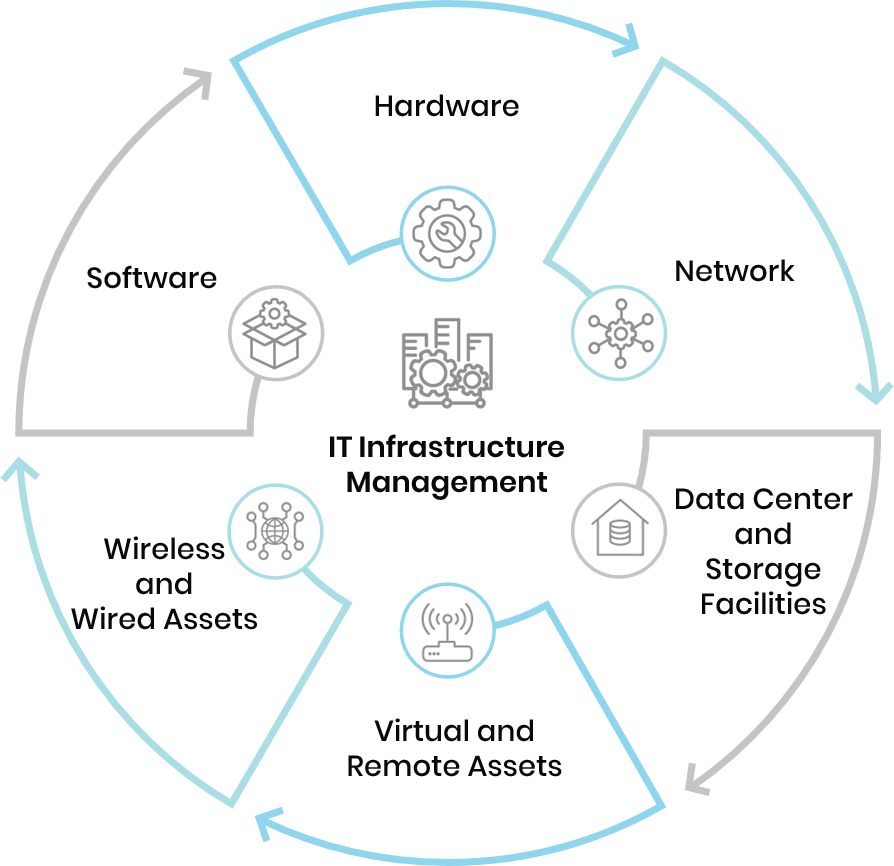
Anti-detect browsers, proxies, cloud phones, and automation stacks are infrastructure.
They answer the question:
“How do we execute safely and at scale?”
They do not answer:
- What should we execute?
- Why does this work?
- How does it survive change?
Infrastructure without strategy is like building highways with no map.
You can move fast — but you don’t know where you’re going.
WHYMMO treats infrastructure as a second-layer decision, never the first.
5. Infrastructure Is a Requirement — Not a Shortcut
In serious MMO operations, infrastructure is not optional.
When teams begin managing:
- Multiple accounts
- Segmented roles
- Isolated environments
- Long-running workflows
They eventually need tools that support system design, not convenience.
This is where infrastructure platforms like MoreLogin become relevant — not as a “magic fix,” but as an execution layer.
MoreLogin does not decide what strategy works.
It does not create demand, traffic, or logic.
What it provides is:
- Environment isolation for account-based systems
- Controlled execution at scale
- Clear separation between people, roles, and assets
In other words, it supports systems that are already designed to survive.
Used early, infrastructure feels expensive and unnecessary.
Used at the right time, it simply becomes part of the architecture.
The mistake is not using infrastructure tools.
The mistake is believing infrastructure is the strategy.
6. The Most Dangerous Phase: Early Success With Tools
The most dangerous moment in MMO is not failure.
It’s early success.
A tool works.
Results appear.
Confidence grows.
People skip reflection because momentum feels like validation.
But early success often comes from:
- Temporary platform tolerance
- Untested assumptions
- Low sample size
- Favorable timing
When scale increases, those hidden weaknesses surface.
This is why many MMO systems die after they start working.
7. Good Systems Can Survive With Basic Tools
Here’s a quiet truth:
Strong MMO systems don’t need advanced tools to survive.
They can:
- Operate manually at small scale
- Absorb account loss
- Adjust parameters
- Pause safely
Weak systems collapse even with premium infrastructure.
Tools are leverage.
Leverage only works when there is something solid underneath.
8. Tools Should Serve Decisions — Not Replace Them
In sustainable MMO systems:
- Decisions come first
- Tools execute decisions
- Automation follows clarity
Not the other way around.
If you can’t explain:
- Why a step exists
- What risk it introduces
- What happens if it fails
No tool will fix that gap.
WHYMMO’s position is simple:
If you don’t understand the system, tools will only help you fail faster.
Conclusion: Tools Reveal, They Don’t Rescue
Tools don’t save MMO projects.
They reveal them.
They expose:
- Weak logic
- Poor assumptions
- Lack of risk design
- Confusion between activity and strategy
This is why sustainable MMO is not built by stacking tools.
It’s built by designing systems that deserve to be scaled.
For the foundational thinking behind this approach, read our core article:
Why MMO Is Not About Making Money Fast.
A note from WHYMMO
Tools are tempting because they feel like shortcuts.
But clarity always outperforms convenience.
Design first.
Scale second.
And let tools serve systems — not replace them.