Why Sustainable MMO Always Looks Slow at the Start
And Why Most People Quit Right Before It Works
Introduction: Slow Is Not the Same as Stuck


Most people don’t quit MMO because it fails.
They quit because it feels too quiet.
No notifications.
No validation.
No visible momentum.
In a world obsessed with speed, silence feels like a warning sign.
But in sustainable MMO, silence is often a construction phase, not a collapse.
WHYMMO exists to explain why the beginning of every serious MMO system looks unimpressive — and why that’s exactly the point.
1. Sustainable MMO Optimizes for Survival, Not Excitement
Fast MMO models optimize for excitement:
- Quick wins
- Screenshots
- Viral methods
Sustainable MMO optimizes for survival:
- Can this system absorb loss?
- Can it operate under pressure?
- Can it recover without panic?
Systems built for survival don’t look impressive early on.
They look boring.
That boredom is not a flaw.
It’s a filter.
2. Early Stages Are Spent Reducing Fragility, Not Growing Output

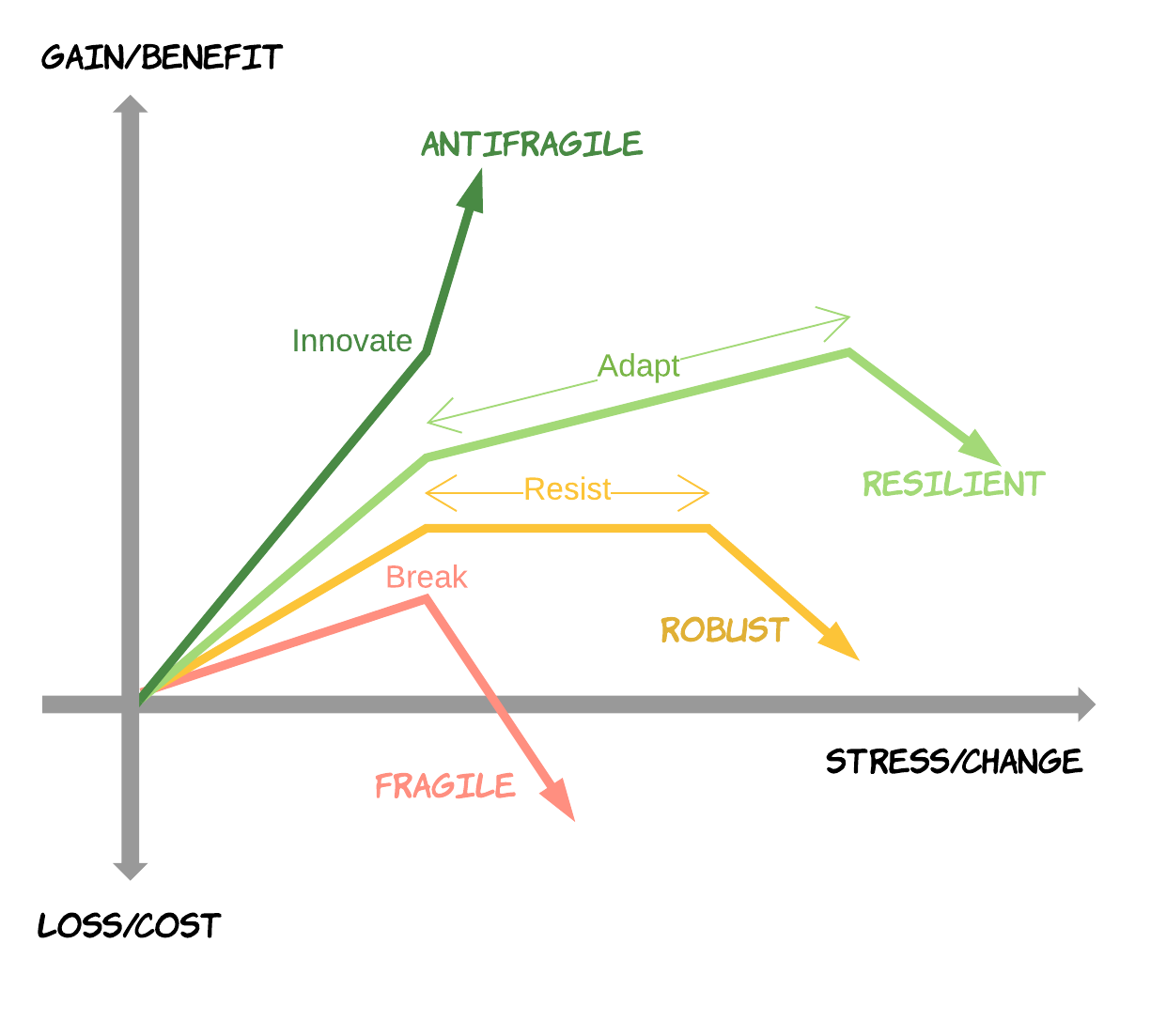
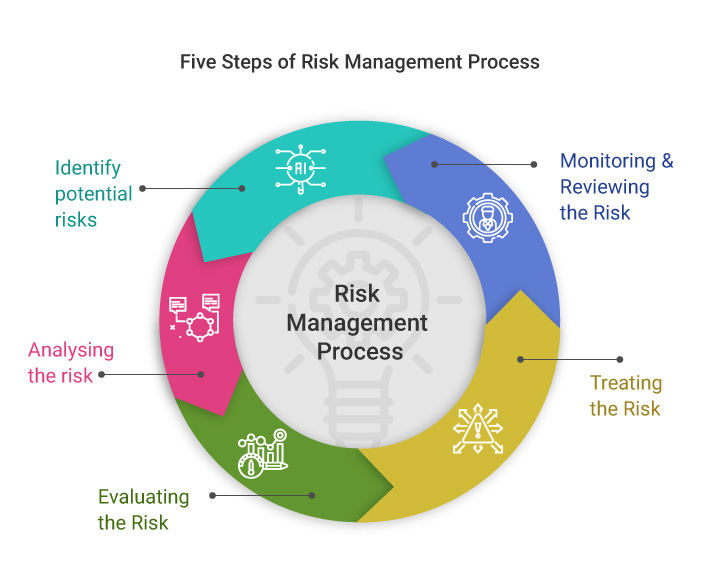

In the beginning, good MMO builders focus on:
- Removing single points of failure
- Testing assumptions quietly
- Limiting blast radius
- Designing replacement logic
None of this creates visible growth.
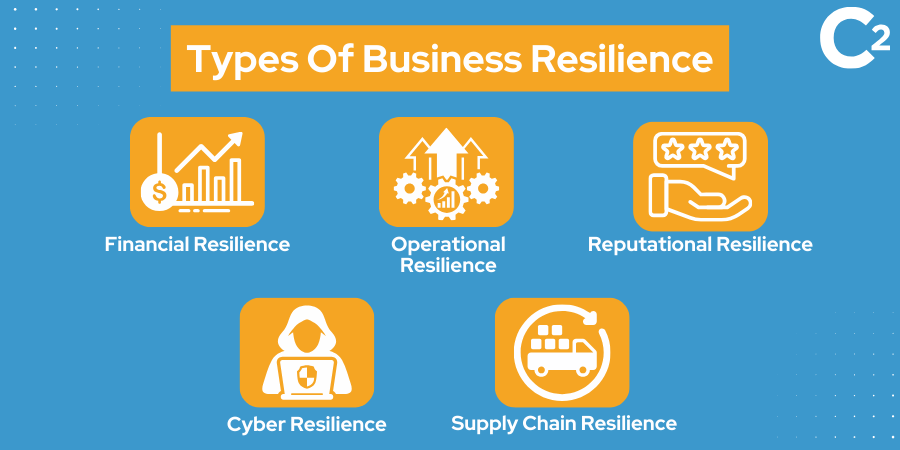
But it creates resilience.
Most people judge progress by output.
Serious operators judge progress by how little breaks.
3. Silence Is Often a Sign of Compounding, Not Failure
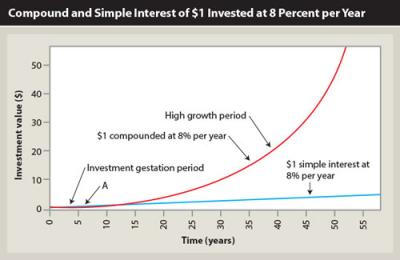

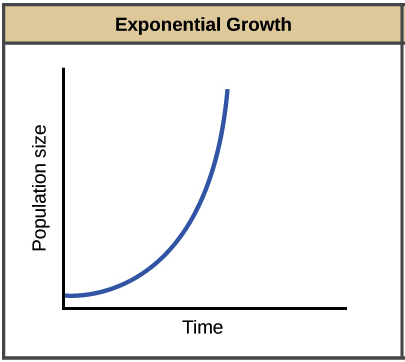
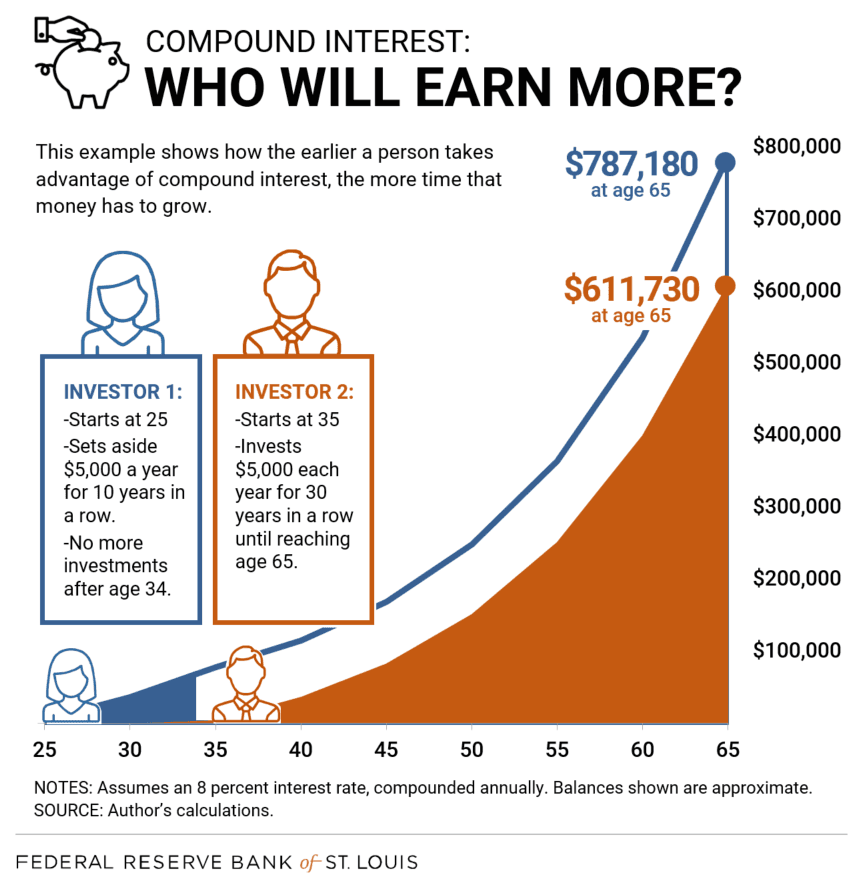
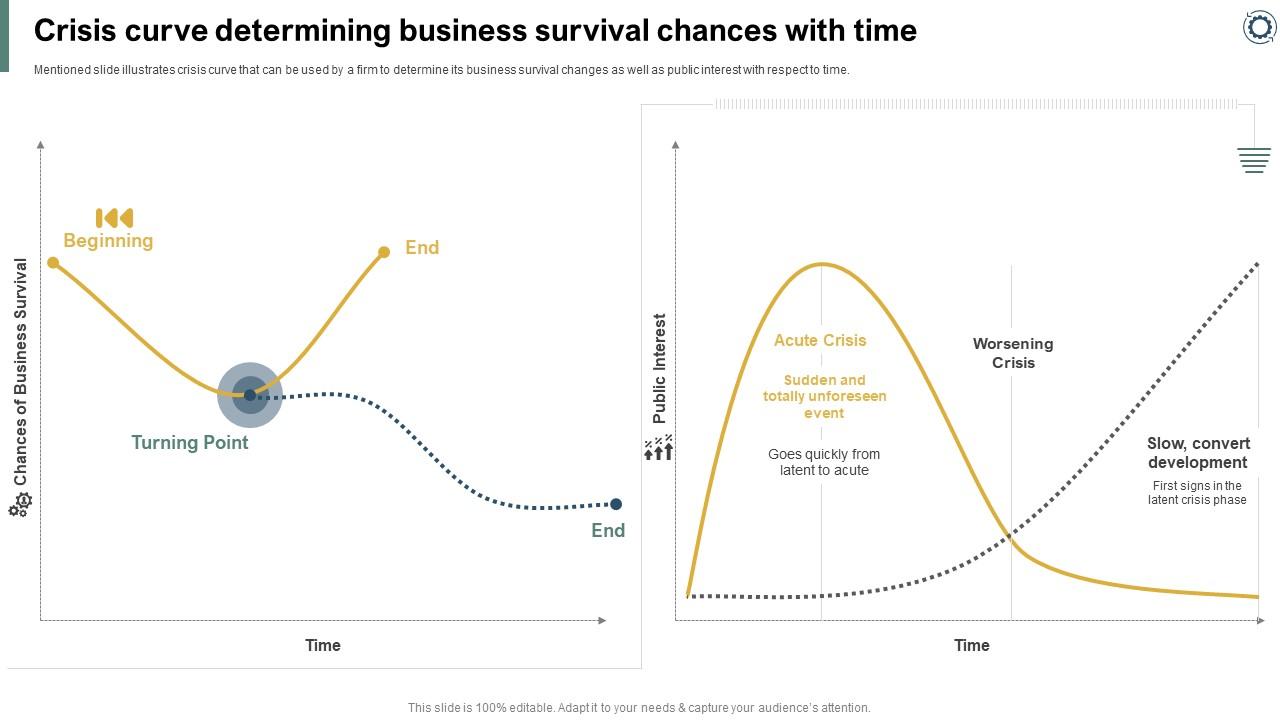
Compounding is invisible before it becomes obvious.
At first:
- Inputs exceed outputs
- Effort feels unrewarded
- Progress is internal
Then one day, results appear to accelerate.
To outsiders, it looks sudden.
To builders, it’s delayed confirmation.
Most people quit during the flat part of the curve —
not realizing that nothing was wrong.
4. Speed Creates Confidence — Time Creates Clarity


Speed feels good because it creates confidence.
But confidence without clarity is dangerous.
Time exposes:
- Weak assumptions
- Poor segmentation
- Over-optimism
- Hidden dependencies
Sustainable MMO uses time as a diagnostic tool.
If a system only works when rushed,
it probably doesn’t deserve to scale.
5. Early Discomfort Is a Design Signal
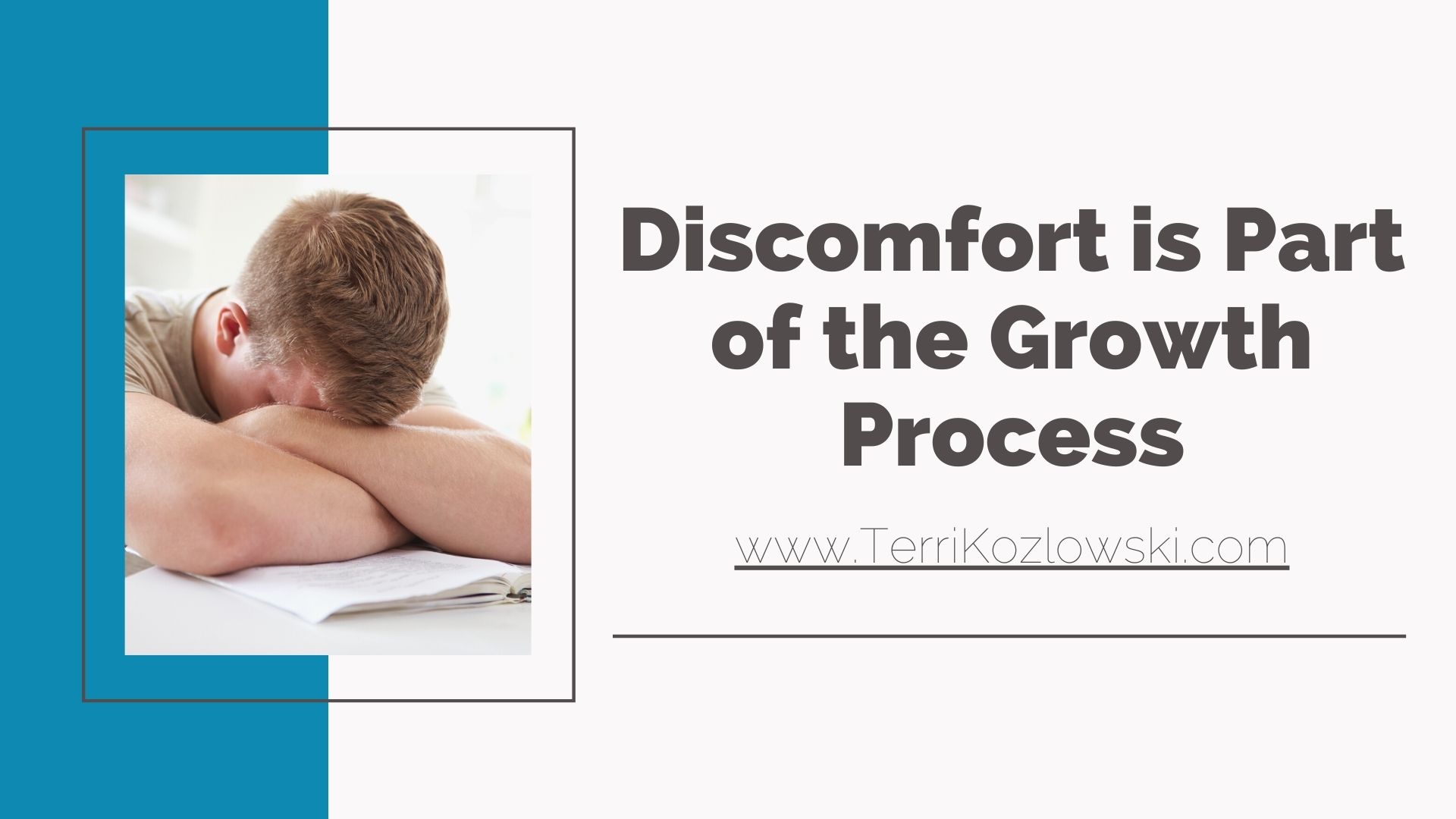

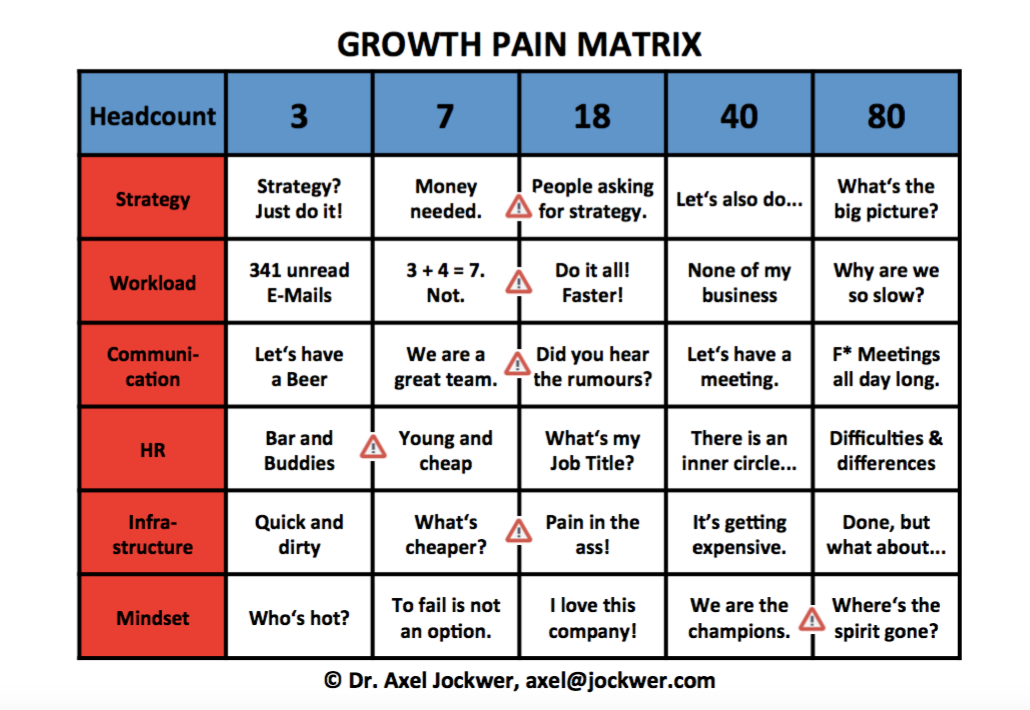
The slow phase feels uncomfortable because:
- You’re forced to think instead of act
- You can’t hide behind activity
- You must design instead of copy
That discomfort is not resistance from the market.
It’s resistance from old habits.
Every sustainable MMO project passes through this tension point.
Most abandon it.
Some build through it.
WHYMMO exists for the second group.
6. What Looks Slow Now Prevents Collapse Later

Speed creates surface growth.
Systems create depth.
Depth is invisible — until stress appears.
When platforms change, accounts fail, or conditions shift,
slow-built systems bend instead of breaking.
The time invested early doesn’t disappear.
It reappears as stability later.
Conclusion: Slow Is a Strategy, Not a Weakness



Sustainable MMO always looks slow at the start.
That slowness:
- Filters out shortcut seekers
- Forces clarity
- Builds resilience
- Creates unfair advantages later
If your project feels quiet right now,
that doesn’t mean it’s failing.
It may mean you’re finally building something that can last.
For the foundational mindset behind this approach, read:
Why MMO Is Not About Making Money Fast — the core philosophy of WHYMMO.
A note from WHYMMO
If progress feels invisible, resist the urge to rush.
Silence is often the sound of systems forming.
Stay patient.
Build carefully.
And trust the long road.