
Why Most MMO Projects Never Scale
Most MMO projects don’t fail because people don’t work hard.
They fail because hard work is mistaken for progress.
Early-stage MMO almost always looks like hustle:
- Logging into accounts daily
- Posting content manually
- Checking dashboards constantly
- Fixing problems one by one
This creates motion.
It creates activity.
It even creates short-term results.
But motion is not scale.
At some point, every MMO project hits a ceiling — and hustle is where it breaks.
1. Hustle Is a Phase, Not a Model
Hustle works at small scale.
When there are:
- Few accounts
- Low volume
- Limited exposure
Manual execution is manageable.
The problem begins when people treat hustle as the final form, not a temporary phase.
Hustle-based MMO systems depend on:
- One person’s attention
- One person’s memory
- One person’s reaction speed
That’s not a system.
That’s a bottleneck.
Scale doesn’t fail because people stop hustling.
It fails because hustle cannot multiply.
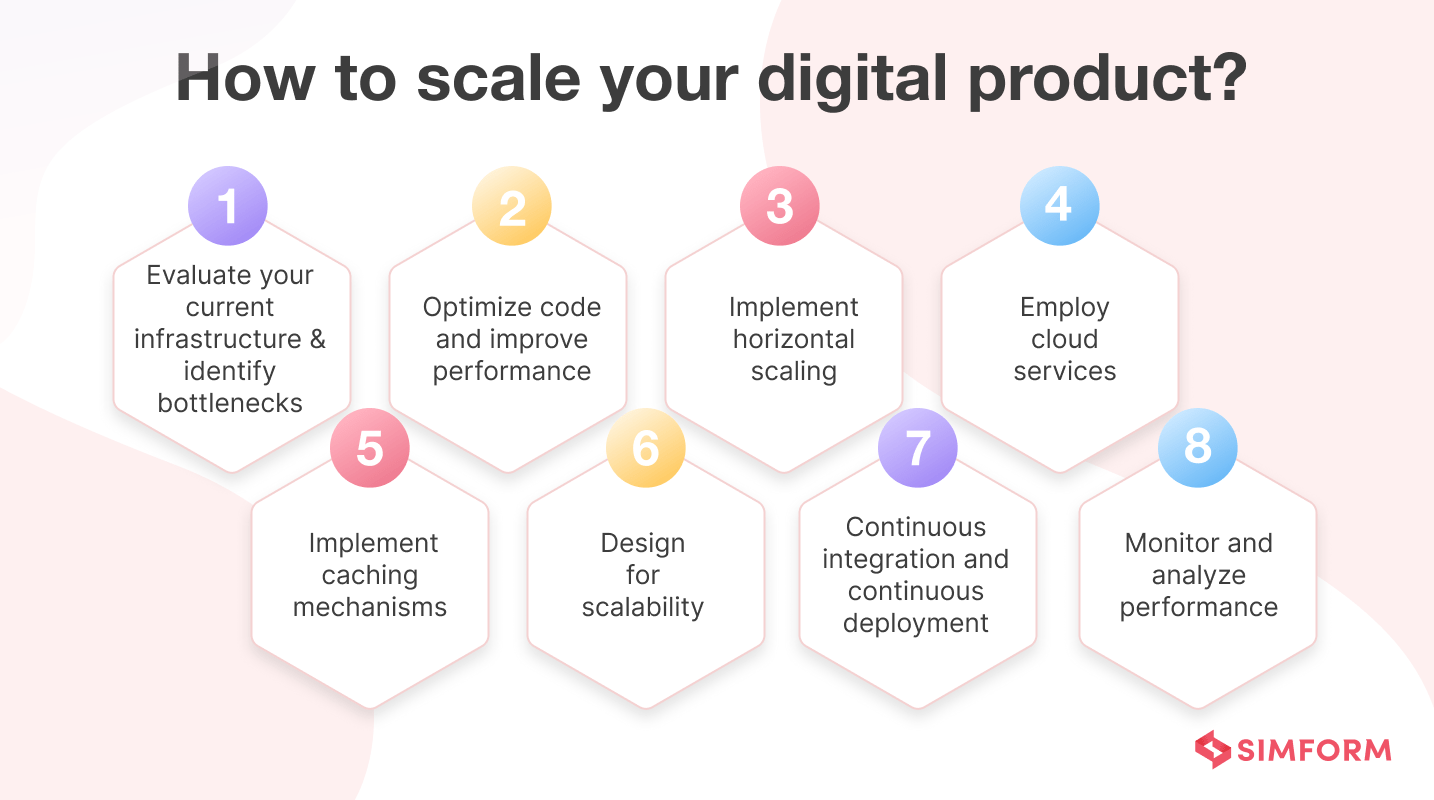
2. Scaling Exposes Hidden Dependencies
When MMO projects grow, new stress appears:
- More accounts
- More variables
- More risk
- More decisions
And suddenly, everything depends on:
- One operator
- One set of habits
- One mental model
This is where cracks form.
If scaling requires you to:
- Be online all the time
- Remember undocumented rules
- Manually fix repeated issues
Then the project isn’t scaling — it’s stretching.
And stretched systems snap.
3. Hustle Creates Invisible Complexity
Manual work hides complexity.
When everything lives in your head:
- Processes feel “flexible”
- Exceptions feel manageable
- Problems feel temporary
But complexity doesn’t disappear.
It just becomes invisible.
When someone else tries to help — or when volume increases — that invisible complexity surfaces as chaos.
What people call “experience” is often just undocumented decision-making.
Systems don’t rely on experience.
They rely on structure.
4. Systems Start When Decisions Are Externalized
The transition from hustle to system begins with one move:
Taking decisions out of your head.
This looks like:
- Writing SOPs
- Defining account lifecycles
- Setting clear input → output rules
- Documenting failure handling
At first, this feels slow.
People say:
“I’ll document it later — I just want results now.”
But results without structure create technical debt.
Every undocumented decision becomes future friction.
5. A System Can Be Paused — Hustle Cannot
Here’s a critical test:
Can your MMO project survive if you step away for 7 days?
If the answer is no, you don’t have a system.
You have a routine.
Systems can:
- Pause
- Resume
- Transfer control
- Recover from absence
Hustle collapses the moment attention disappears.
This is why most MMO projects feel fragile.
They are alive only while someone is watching them.
6. Scale Requires Role Separation
In scalable MMO systems:
- Strategy is separate from execution
- Execution is separate from monitoring
- Monitoring is separate from recovery
Hustle merges all roles into one person.
That works until:
- Volume increases
- Mistakes compound
- Fatigue sets in
Systems don’t remove people.
They protect people from being the single point of failure.
7. Why Most MMO Projects Never Make This Transition
The shift from hustle to system is uncomfortable.
It forces people to:
- Slow down
- Question habits
- Admit fragility
- Delay visible progress
Many quit at this stage.
They mistake discomfort for inefficiency.
But this phase is where MMO projects are either:
- Engineered for longevity
- Or abandoned for the next shortcut
WHYMMO exists to guide builders through this exact transition.
Conclusion: Hustle Builds Momentum — Systems Build Longevity
Hustle can start an MMO project.
It cannot scale one.
Sustainable MMO is not about:
- Doing more
- Working harder
- Adding tools blindly
It’s about:
- Designing repeatable processes
- Removing dependency on memory
- Creating systems that survive absence
If you want momentum, hustle is enough.
If you want longevity, systems are unavoidable.
For the foundational mindset behind this thinking, read:
Why MMO Is Not About Making Money Fast — the core philosophy of WHYMMO.
A note from WHYMMO
If you’re feeling stuck between effort and growth, that tension is not a failure signal.
It’s a design signal.
Slow down long enough to build structure.
What you gain in clarity will outlast any short-term speed.
2 thoughts on “Why Most MMO Projects Never Scale”