The Real Reason Most MMO Projects Fail
And Why It Has Nothing to Do With Bans, Platforms, or Bad Luck


Introduction: Everyone Blames the Wrong Thing
When an MMO project fails, the explanation usually sounds familiar.
“The platform changed.”
“My accounts got banned.”
“The method stopped working.”
“Competition killed it.”
These explanations feel logical. They’re also convenient.
Because they push responsibility outside the system.
But after observing hundreds of MMO projects—across traffic, content, automation, and arbitrage—one pattern appears again and again:
Most MMO projects fail long before bans or platform changes actually matter.
They fail at the design level, not the execution level.
1. Failure Starts With Execution Before Architecture
Most people start MMO like this:
- Pick a platform
- Copy a method
- Create accounts
- Push traffic
- Hope it works
This feels productive. It looks like action.
But it skips the most important question:
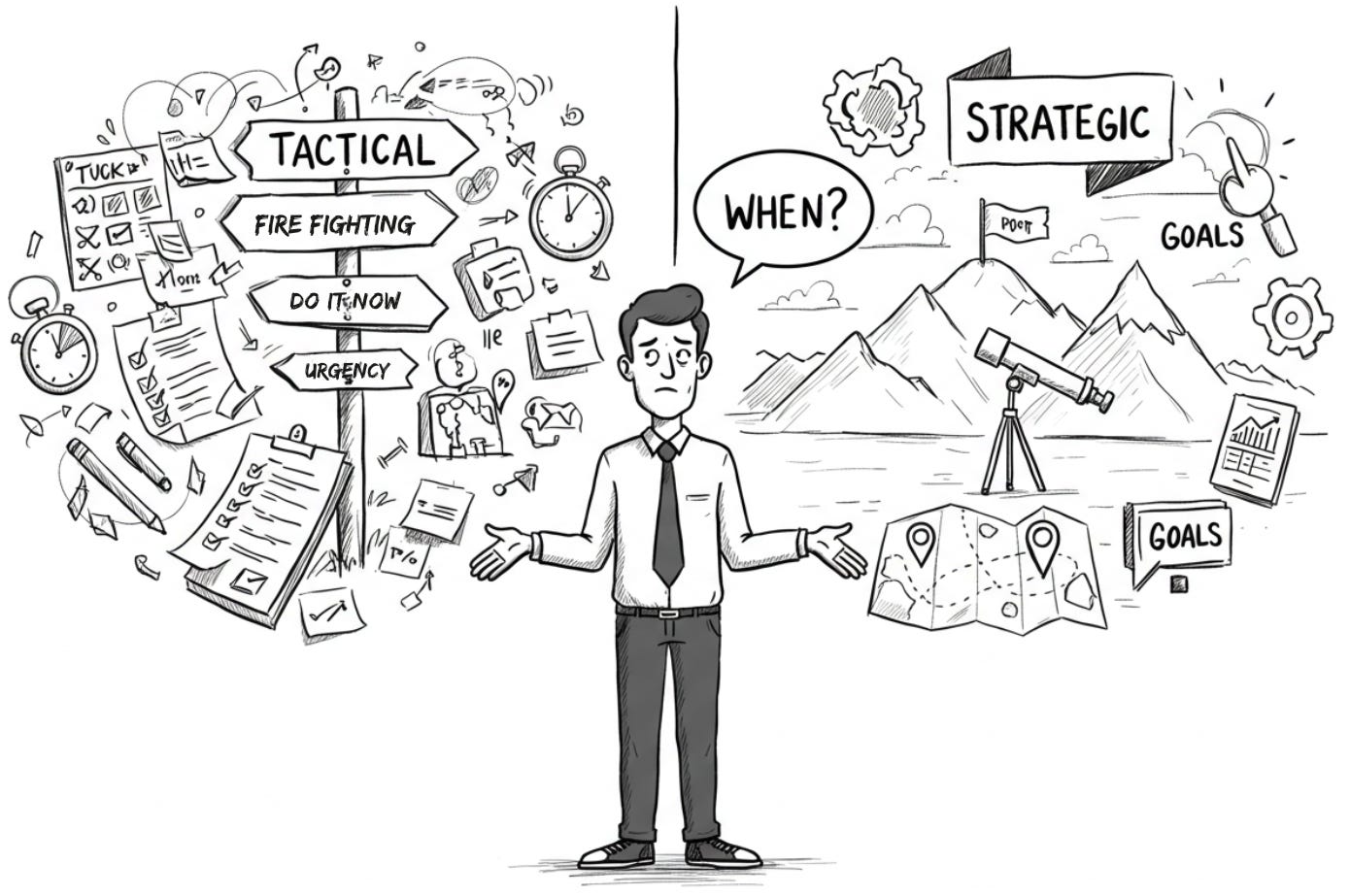
What kind of system am I actually building?
Without answering that, every action is fragile.
Execution without architecture creates MMO projects that:
- Depend on single points of failure
- Collapse under small shocks
- Cannot adapt when conditions change
In other words:
They work only in perfect conditions.
Real MMO operators design architecture first, then execute inside it.
2. Bans Don’t Kill MMO Projects — Dependency Does
Account bans are normal in MMO.
What’s not normal is when one ban kills everything.
That tells you something important:
The project was never designed to survive loss.
Healthy MMO systems assume:
- Accounts will die
- Assets will be lost
- Platforms will change rules
If a single account matters too much, the system is already broken.
In sustainable MMO, accounts are replaceable units, not pillars.
When bans feel “fatal,” the real issue is dependency—not enforcement.
3. Most MMO Systems Have No Concept of Risk
Risk is unavoidable in MMO.
But unmanaged risk is optional.
Most failed projects cannot answer:
- What is the acceptable loss per cycle?
- How many failures can this system absorb?
- Where is the blast radius if something breaks?
Instead, they operate on optimism:
“Let’s see what happens.”
That’s not strategy. That’s gambling.
Professional MMO systems define risk before profit.
They don’t eliminate risk—they contain it.
4. Tools Didn’t Fail — The Logic Did
When things collapse, people blame tools:
- Automation bugs
- Browser fingerprints
- Proxy quality
- Infrastructure cost
But tools don’t make decisions.
They only execute logic faster.
If the logic is weak:
- Automation amplifies mistakes
- Scale accelerates failure
- Infrastructure multiplies losses
This is why WHYMMO treats tools as leverage, not solutions.
A bad system with good tools fails faster.
A good system with basic tools survives longer.
5. No Documentation Means No System
Here’s a simple test:
If you stop working on your MMO project for 7 days, does it survive?
For most people, the answer is no.
Why?
Because everything lives in their head:
- Processes
- Decisions
- Fixes
- Exceptions
No documentation means:
- No consistency
- No delegation
- No scalability
- No recovery
What people call “experience” is often just undocumented chaos.
Systems require memory.
Documentation is that memory.
6. People Confuse Momentum With Stability
Early success is dangerous in MMO.
A few wins create momentum:
- First profits
- First scalable result
- First sense of validation
But momentum is not stability.
Many projects scale before they understand:
- Why results happened
- What assumptions are fragile
- Which variables are critical
They confuse:
“It works now”
with
“It will survive later.”
Most MMO collapses happen after initial success, not before it.
7. Platform Changes Only Expose Weak Systems
Platforms always change:
- Algorithms evolve
- Enforcement tightens
- Monetization shifts
Strong systems adapt.
Weak systems collapse.
When a platform change wipes out a project, it doesn’t mean the platform is unfair.
It means the system had:
- No redundancy
- No alternative paths
- No strategic depth
Platform changes don’t kill MMO projects.
They reveal which ones were never solid.
8. Sustainable MMO Is Built, Not Discovered
Many people search for MMO like a hidden trick:
- A secret method
- A loophole
- A timing advantage
But sustainable MMO is not discovered.
It’s engineered.
It requires:
- System thinking
- Risk design
- Clear assumptions
- Long-term patience
This is why WHYMMO focuses on WHY, not WHAT.
Understanding why things work is the only defense against change.
Conclusion: Failure Is a Design Signal
MMO failure is not random.
It’s feedback.
Every collapse points to:
- Missing architecture
- Unmanaged risk
- Fragile assumptions
- Overreliance on execution
When you stop asking:
“What went wrong?”
and start asking:
“What did this system assume?”
You move from reaction to design.
And design is where sustainable MMO begins.
For a deeper look at the philosophy behind this thinking, read our core article:
Why MMO Is Not About Making Money Fast — the foundation of WHYMMO’s approach to long-term systems.
A note from WHYMMO
Building anything that lasts means accepting discomfort early.
If you’re willing to question assumptions instead of chasing shortcuts, you’re already playing a different game.
Build slowly.
Design carefully.
And let systems—not luck—carry you forward.


10 thoughts on “The Real Reason Most MMO Projects Fail”