
WHY MMO IS NOT ABOUT MAKING MONEY FAST
The System Thinking Behind Sustainable MMO


Introduction: The MMO Illusion
For more than a decade, the MMO industry has been wrapped in one dangerous illusion: speed.
Fast money.
Fast scaling.
Fast results.
Everywhere you look, MMO is marketed as a shortcut—something you can “crack” if you find the right method, the right tool, or the right insider secret.
But here is the uncomfortable truth:
Speed is not what builds MMO success. Survival is.
Most people don’t lose MMO because they are incompetent.
They lose because they build systems that cannot survive friction.
WHYMMO exists to challenge this illusion at its root.
1. Why MMO Is Not About Making Money Fast



Making money fast is not hard.
Making money again, consistently, under pressure is.
Fast MMO models usually share the same traits:
- Single-platform dependency
- High account risk
- Zero redundancy
- No documentation
- No system thinking
They work—until they don’t.
The moment friction appears (bans, algorithm shifts, payment holds), the entire operation collapses.
Real MMO operators don’t chase speed.
They design resilience.
2. The Real Reason Most MMO Projects Fail
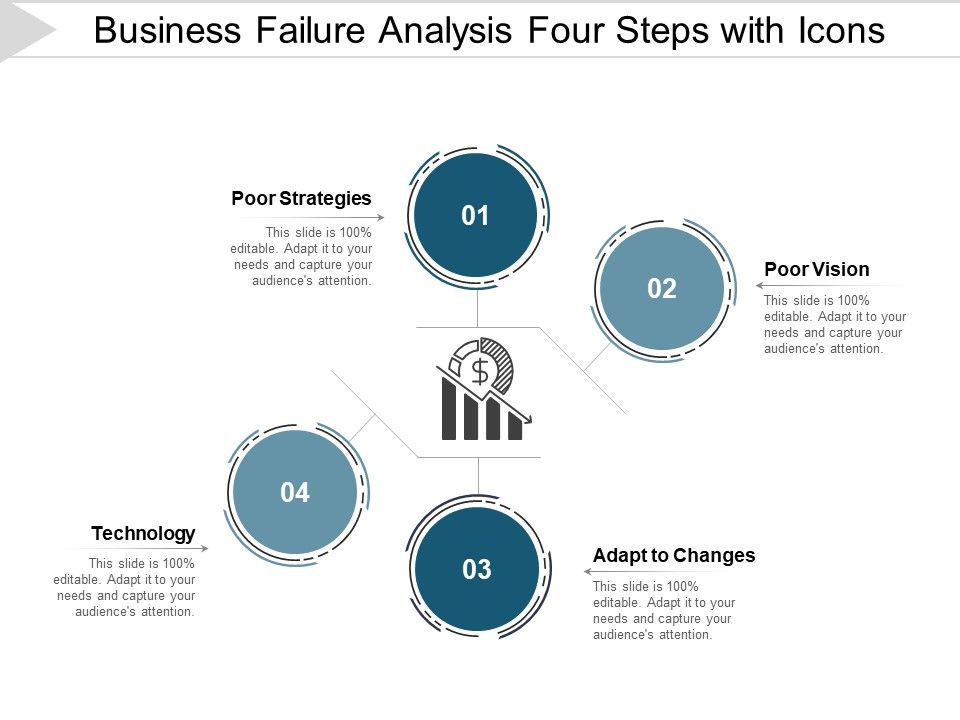

Most MMO failures are blamed on:
- Bans
- Platform rules
- Competition
But these are surface-level causes.
The real reason MMO projects fail is simple:
They confuse execution with architecture.
People execute without designing:
- Account lifecycle
- Risk tolerance
- Failure scenarios
- Replacement logic
So when something breaks, nothing absorbs the shock.
In professional MMO systems, failure is expected.
What matters is whether the system bends—or snaps.
3. Tools Don’t Save Bad MMO Strategies



Tools are not strategy.
Automation does not equal intelligence.
Infrastructure does not equal understanding.
Tools amplify logic.
If the logic is flawed, tools accelerate collapse.
WHYMMO treats tools as force multipliers, not solutions.
A good strategy with basic tools survives.
A bad strategy with premium tools dies faster.
4. From Hustle to System: The MMO Transition

Most MMO beginners hustle.
They do everything manually:
- Create accounts
- Post content
- Manage traffic
- Fix problems daily
Hustle feels productive—but it doesn’t scale.
Systems scale.
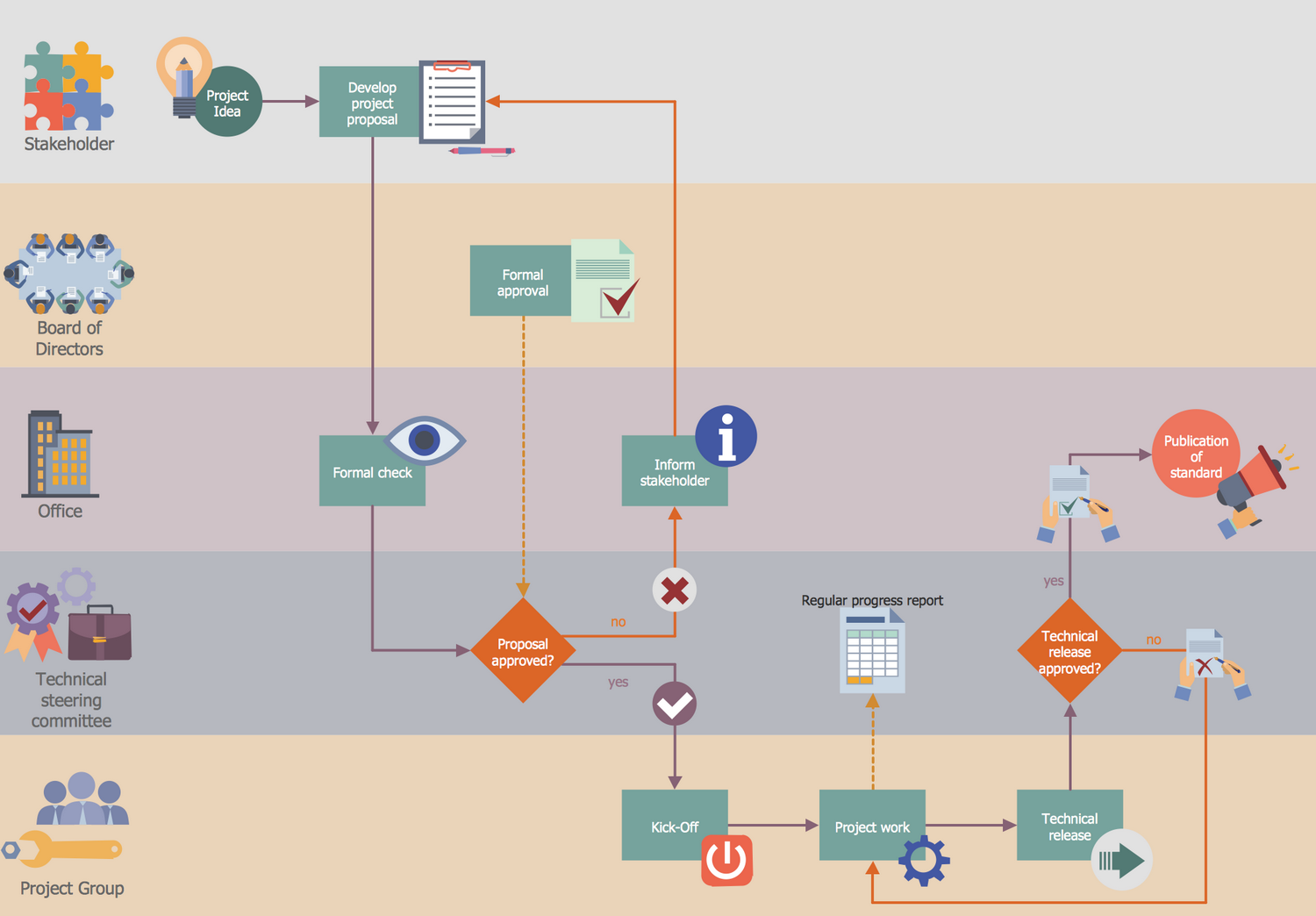
Professional MMO operators build:
- SOPs
- Clear role separation
- Defined workflows
- Input → output logic
The transition from hustle to system is where most people quit.
WHYMMO exists to guide that transition.
5. Why Sustainable MMO Always Looks Slow at the Start


Sustainable MMO is boring in the beginning.
No screenshots.
No flex.
No hype.
Just:
- Testing
- Documentation
- Infrastructure
- Iteration
People quit because they mistake silence for failure.
But real MMO growth compounds quietly.
By the time it becomes visible, the system is already strong.
6. Risk Is Not the Enemy—Blindness Is



MMO is risky by nature.
The mistake is not taking risk.
The mistake is taking unknown risk.
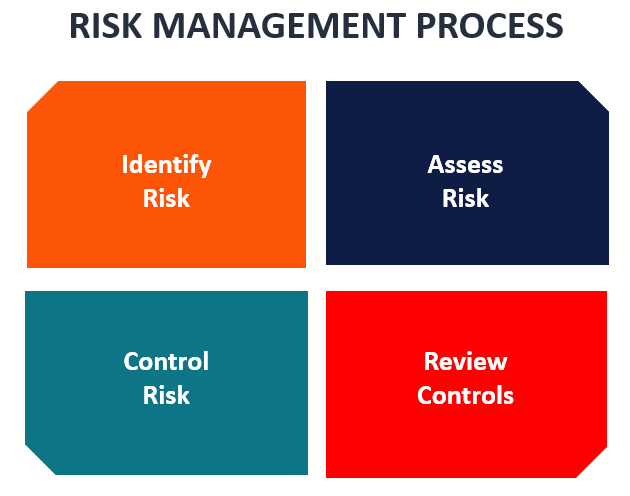
Professional MMO systems:
- Define acceptable loss
- Limit blast radius
- Separate assets
- Prepare replacements
Risk becomes manageable when it is designed, not ignored.
7. Account Loss Is a System Failure

Losing accounts is normal.
Depending on a single account is not.
When an account loss kills a project, it reveals one thing:
There was no system behind it.
Systems survive.
Accounts don’t.
8. WHYMMO Philosophy: WHY Over WHAT




Most MMO content teaches:
- What tool to use
- What method works
- What platform pays
WHYMMO asks:
- Why does this work?
- Why does it fail?
- Why does it scale—or not?
Understanding WHY changes everything.
Conclusion: WHYMMO Is Not a Shortcut
WHYMMO is not here to promise fast money.
It exists to help builders:
- Think clearly
- Design systems
- Survive volatility
- Build long-term MMO assets
If you are looking for shortcuts, WHYMMO is not for you.
If you are building something meant to last—
you’re exactly where you should be.
A note from WHYMMO
Building anything meaningful takes time.
If you’re still here, reading this far, you’re already ahead of most people.
We hope you stay patient, stay curious, and build systems that can survive both success and failure.
See you on the long road.

7 thoughts on “Why MMO Is Not About Making Money Fast”